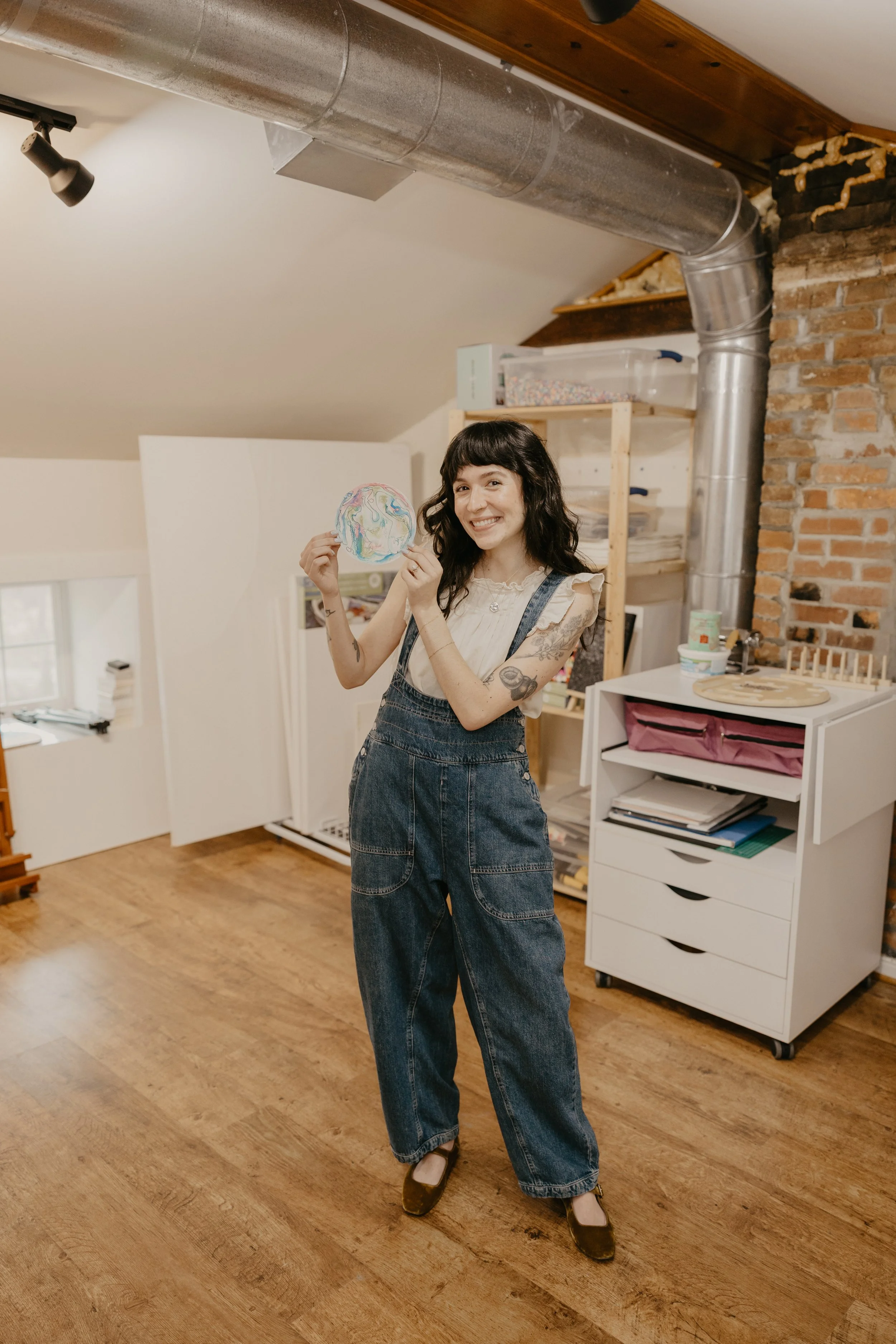
Hi, I'm MadisonI’m an art therapist by day, and by night I’m an artist and mom.
Creativity and healing have been central to my life for many years, both personally and professionally. I know firsthand how meaningful and challenging this work can be, and how powerful it is to have support along the way
Who I am…
ARTIST BEFORE THERAPIST
ARTIST BEFORE THERAPIST

I received my BFA in Studio Art with a two-dimensional and graphic design cross-concentration in 2020, where I explored the intersections of creative process, art, and identity. It was after my undergraduate studies that I felt called to pursue the field of art therapy.
In graduate school, I worked across a wide range of artistic mediums, including sculpture, fibers, bookmaking, digital photography, digital collage, and mixed media. These experiences continue to inform my flexible, process-oriented approach to therapy. I received my MA in Art Therapy, which furthered my exploration of using the creative process as a way to facilitate self-expression, identity development, and healing.
I have been a licensed therapist since 2023 and have supported individuals across many life experiences and identities.


Areas of specialty
Neurodiversity Support – ADHD, autism, learning differences, and intellectual disabilities
Anxiety, Stress & Emotional Regulation – managing overwhelm, big feelings, and daily pressures
Trauma & Recovery – PTSD, trauma history, and chronic pain and illness support
School & Learning Challenges – academic struggles, school stress, and education support
Relationships & Social Skills – peer relationships, family conflict, and communication
Life Transitions & Identity – change, growth, self-esteem, and major life shifts
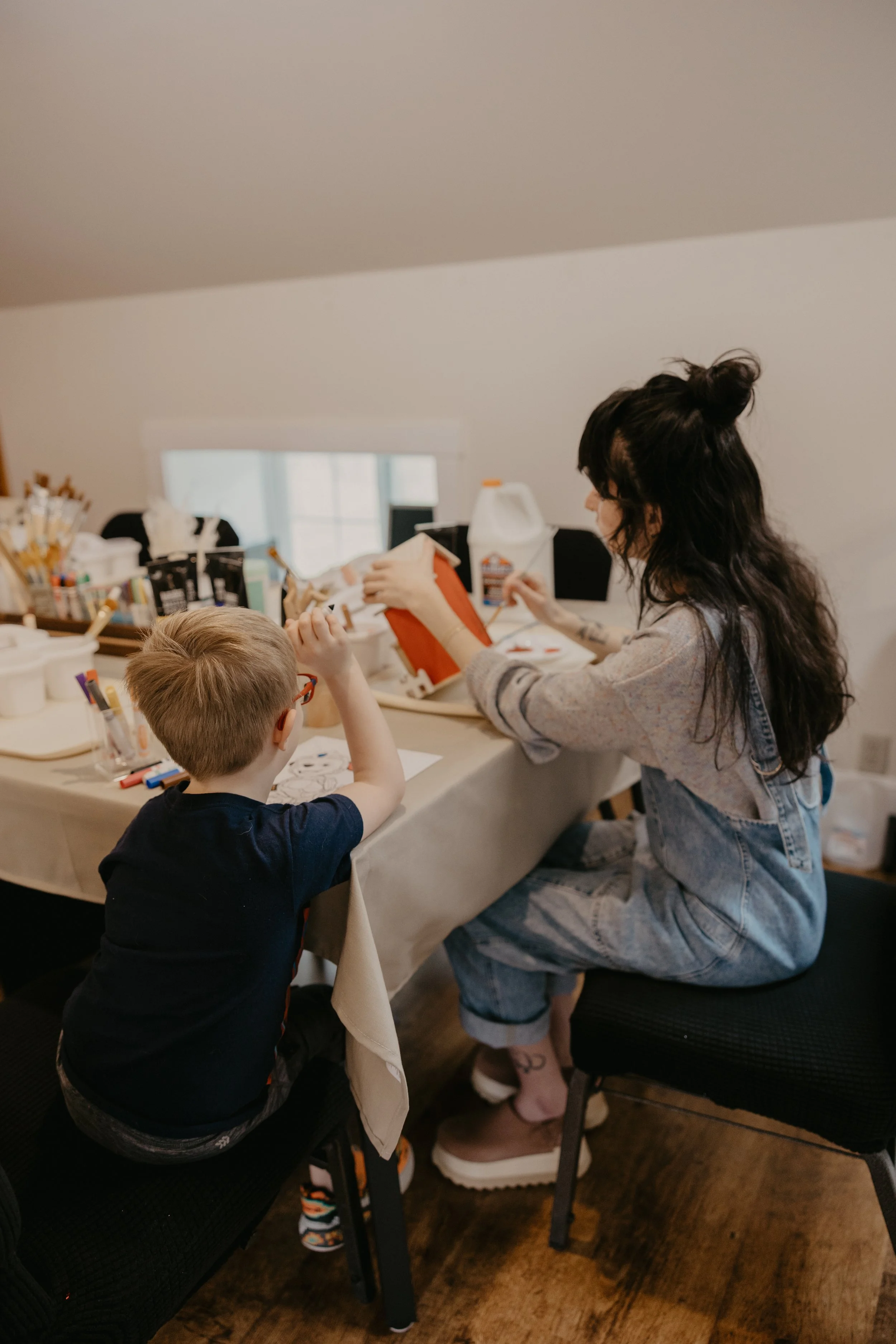
I primarily work with kiddos (8+), teens, and young adults who have difficulty regulating, expressing, or understanding their emotions.
I also support individuals who feel stuck or burned out in life, relationships, or work. This is often connected to perfectionism, PDA, ADHD burnout, PMDD, or major life transitions.
Many of the people I work with include:
Newly diagnosed neurodivergent individuals
Queer and LGBTQ+ folks
Individuals living with chronic illness
Families navigating conflict
If you or your teen are feeling overwhelmed, anxious, emotionally shut down, or struggling to put words to what’s happening inside, you’re not alone and you don’t have to figure it out by yourself.
I practice from an “art as therapy” approach, meaning we use creative expression, not artistic skill, as a tool for emotional exploration, regulation, and self-understanding.
Sessions are: Collaborative and flexible, Engaging and developmentally appropriate, Grounded in curiosity, humor, and authenticity
Therapy does not have to feel clinical to be meaningful. It can be creative, approachable, and even fun. Together, we will work to build coping skills, strengthen self-expression, and support confidence in navigating everyday life.
My Approach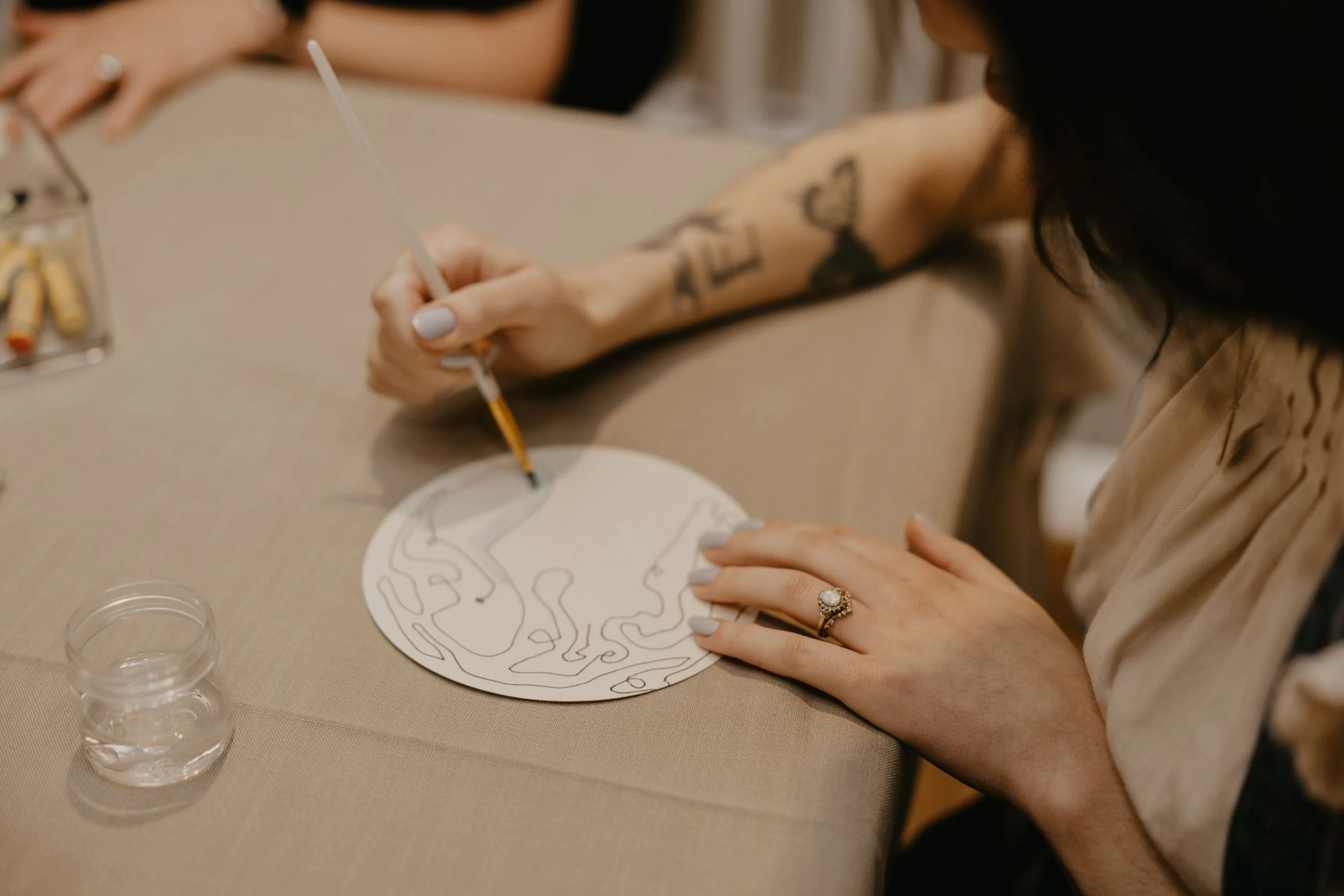
Explore examples below


Rates and Insurance
I am an in-network provider with United Healthcare/Optum.
If you are using out-of-network benefits, art therapy services may still be widely reimbursable through many private health insurance plans in Maryland. I am happy to provide a superbill to support reimbursement.
I have partnered with Mentaya to make the process of using out-of-network benefits easier. You can use the tool below to check your eligibility and see if you qualify for reimbursement for services.
My rates, along with answers to billing and insurance questions, are available on The Art Room’s website. I currently offer art therapy sessions at a rate of $185 per 50-minute individual session, $210 for the first individual intake session, and $275 for family or parent/child intake sessions.
Professional Credentials and Education
Madison Harlow (she/her)
Credentials:
MD Licensed Clinical Professional Art Therapist (ATC422)
Board Certified Registered Art Therapist℠ (ATR-BC®)
Education:
Master of Arts (MA): Art Therapy,
Notre Dame of Maryland University (2023)
Bachelor of Fine Arts (BFA): Studio Art: Two-dimensional and graphic design cross concentration,
Messiah College (2020)

Interested in services?
You’re welcome to schedule a free 15-minute phone consultation to see if we’re a good fit.
I am licensed to provide therapy to clients in Maryland.
Please keep in mind that this contact form, text messages, and email are not fully secure. To protect your privacy, please avoid including sensitive personal details.
I look forward to connecting with you soon!
In-person office location:
9722 Country Store Lane
Hagerstown, MD 21740
Office number:
(202) 505-2088
Office email:
info@theartroomcch.com
Office website:
https://www.theartroomcch.com/